BLOCKED!
Loading article...
-
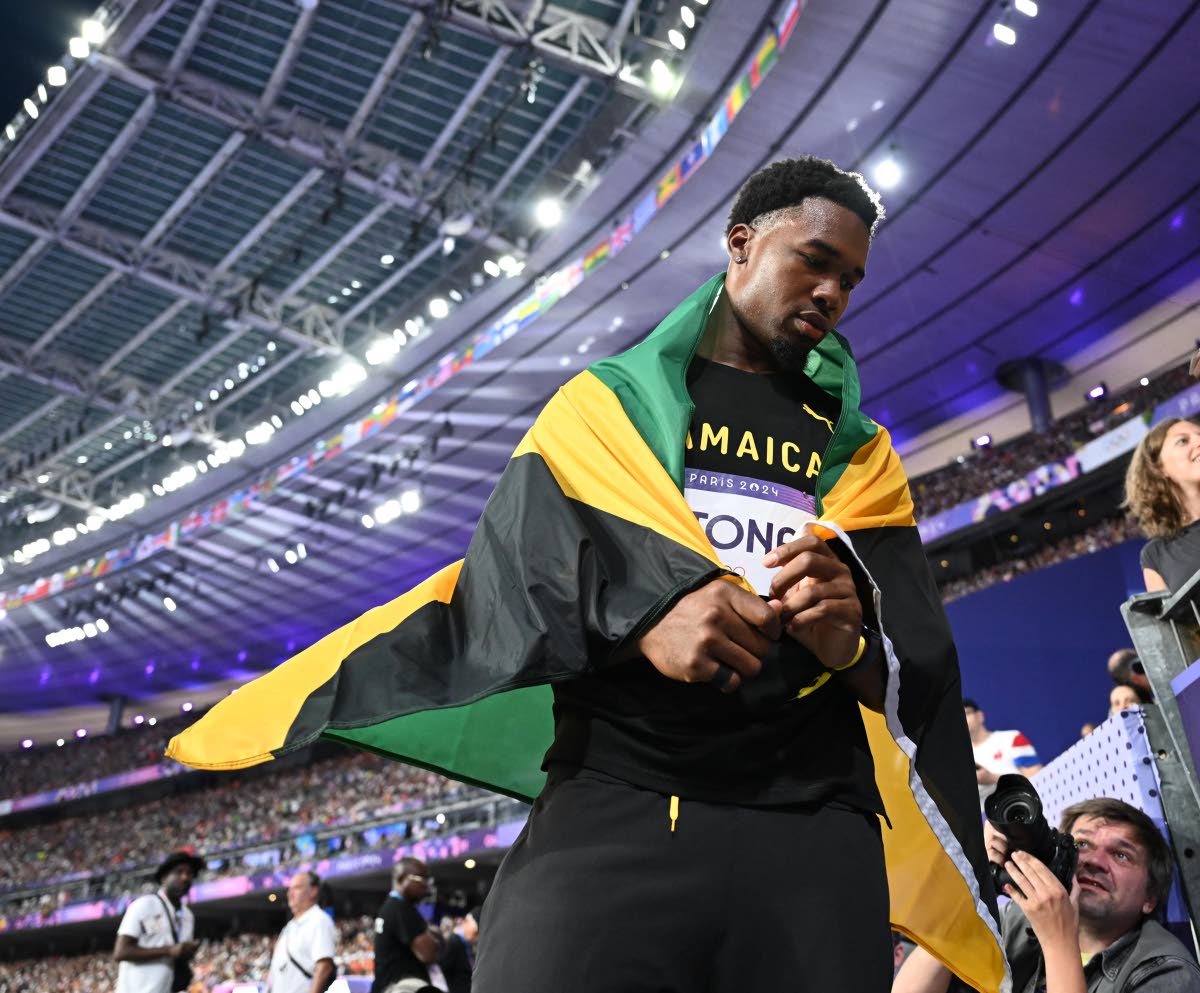 Roje Stona.
-
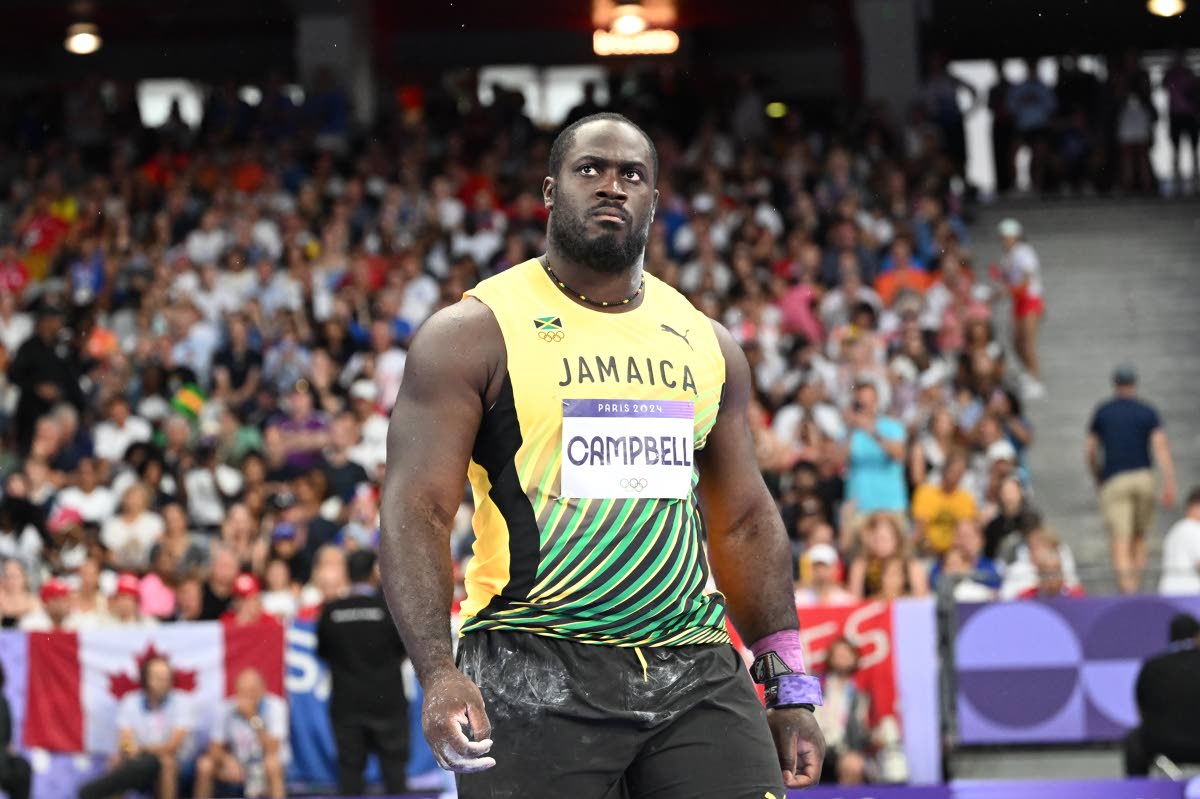 Rajindra Campbell
-
 Jaydon Hibbert.
-
 Wayne Pinnock.
Shockwaves rippled through the global track and field community – particularly in Jamaica – after World Athletics (WA) on Thursday blocked the transfer of allegiance to Türkiye for 11 professional athletes in an unprecedented ruling.
WA said the move, first revealed in June 2024, amounted to a coordinated state recruitment effort driven by financial inducements, with athletes lacking any genuine connection to Türkiye. The governing body argued that such arrangements undermine eligibility rules and threaten the integrity of international competition.
Among those affected are Jamaicans Jaydon Hibbert, Rajindra Campbell, Wayne Pinnock and Roje Stona, along with Nigeria’s Favour Ofili.
Analysts say the implications extend far beyond competition, touching on governance, fairness, and athletes’ rights.
Attorney-at-law Sayeed Bernard, who has represented athletes before the Court of Arbitration for Sport (CAS), questioned WA’s decision to assess the cases collectively rather than individually.
DISADVANTAGE TO ATHLETE
He suggested that that approach could disadvantage athletes with specific personal circumstances, pointing to Ofili and Campbell.
Ofili missed the 100m at the Paris Olympics due to administrative failures by her federation, while Campbell has struggled with limited financial backing despite winning Jamaica’s first Olympic medal in the throws. This, Campbell said, placed a financial toll on his training regime.
Bernard argued that such realities should be weighed carefully.
“World Athletics has to take that into consideration as it relates to why she (Ofili) is transferring her allegiance,” he said, adding that inadequate support systems can push athletes to seek better opportunities elsewhere.
“Jamaica, for example, does not support Rajindra Campbell – little to no financial support and lack of proper facilities to prepare – so he says well better mi try transfer and try my luck because I will have better training,” he told The Gleaner.
Any appeal must first go back to WA’s Nationality Review Panel – the same body that denied the transfers – before reaching CAS.
Bernard argued that success at CAS would likely depend on whether each athlete’s situation is judged on its own merits, particularly where lack of support affects preparation and earning potential.
“They (WA) basically said state-orchestrated, financially induced, and a mass-athlete recruitment will not be recognised as a valid reason for transfer of allegiance. That, to my mind, is a bold interpretation of the regulations, and so it will remain to be seen now if CAS would disturb that to say, notwithstanding the [number] of athletes going to any particular nation, each athlete must be taken on his or her own merit,” the attorney reasoned.
If approved, the transfers would have made the athletes eligible to represent Türkiye at the 2028 Los Angeles Olympic Games, and there is speculation that some may have already begun receiving financial support tied to the move.
CONTRACTUAL OBLIGATIONS
Bernard said contractual obligations could now become central to the dispute, noting that athletes may have already fulfilled their part of the agreement.
“For what we know, they said it was a sign-on bonus. As far as I am concerned, in the ordinary interpretation, devoid of having sight of the contract to see if there is any definition of what signing on means, they would have signed contracts, signed several documents in order for Turkiye to effect this process through World Athletics. And so, in my view, on a generous interpretation, they would have done their part, and it is not as a result of anything they have done or not done as to why World Athletics has made this order,” said the attorney.
The ruling has also reignited debate in Jamaica about opportunities for athletes compared to other professionals who migrate for better pay.
Sociologist Orville Taylor said the comparison is flawed, noting that switching sporting allegiance does not necessarily involve abandoning citizenship, unlike traditional labour migration governed by the International Labour Organization (ILO).
“You are moving for financial gain, yes, but you are not abdicating your relationship with your country, so it’s not a case where you are dropping your citizenship and involving yourself in a kind of mercenary-type situation,” Taylor told The Gleaner.
“So it is really not quite the same thing because at the end of the day, you are still Jamaican, unless you have actually gone through the entire immigration process.,” he continued.
Taylor added that while ILO standards aim to regulate recruitment and prevent exploitation, they have not kept pace with modern sport. He acknowledged that financial incentives in athletics raise legitimate concerns about fairness and the potential commodification of talent.
“If you want to draw some kind of comparison between these athletes, who don’t necessarily have any kind of feeling towards the country but are moving because of financial gain, the overall principles surrounding mercenaries, I think, would perhaps apply, and mercenaries are something that I think the ILO generally frowns upon,” he said. “But they are not mercenaries in the true sense because the ILO clearly defines mercenary as an individual who engages or attempts to engage in conflict.”
Still, he warned that unchecked recruitment by wealthy nations could erode the spirit of international sport.
“Just imagine what happens in the case where a country with immense wealth is able to completely poach the resources, the athletic resources from somewhere else. Now I don’t have a problem in principle with an individual deciding that he or she is going to make a decision at the individual level to move to do things which are in the best interest of one’s family, but it cannot be wanton, and it cannot be unregulated,” Taylor reasoned.
Psychologist Dr Leachim Semaj said the delayed ruling – coming 10 months after the applications were filed – is likely to have a deep emotional impact on the athletes, many of whom had already committed mentally to the transition.
“The athletes have already left. They left long time ago. From you start thinking about this you start working it through psychologically, you know, back and forth with your family, those close to you, and when you get to the point where it is accepted, you have made the transition,” said Semaj.
Explaining that decisions of this magnitude involve extensive planning and emotional investment, a sudden reversal, he noted, could be devastating.
“So they’ll go through a period of doing nothing, ... in grief, and they will have broken ties psychologically, broken ties with Jamaica, broken ties with their team already, and all of that, now having to come back and reintegrate themselves with their country and team. That’s going to take some doing,” said Semaj.
He added that reintegration into their original teams and national setups could also prove difficult, with some athletes facing questions of loyalty or even reconsidering their careers.
karen.madden@gleanerjm.com