Jamaica supports ‘gravest crime’ slavery resolution at UN; US, Israel oppose
Loading article...
-
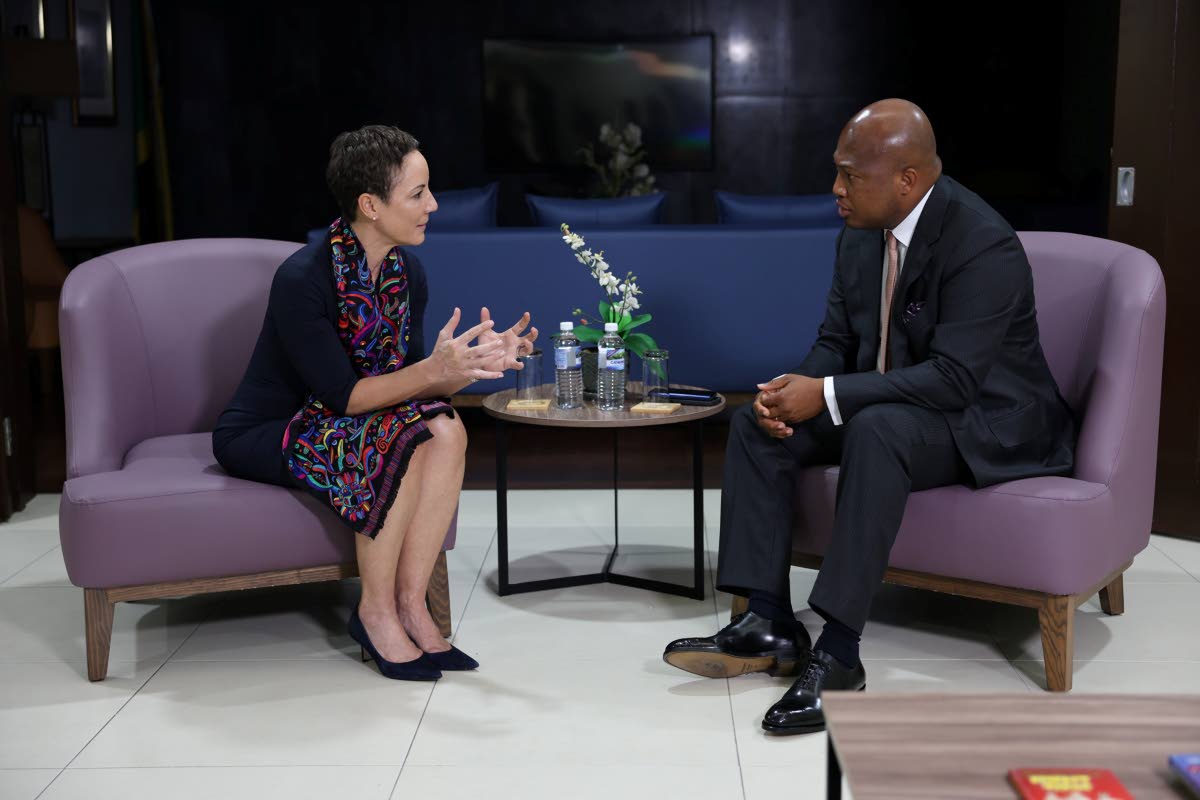 Senator Kamina Johnson Smith, Minister of Foreign Affairs and Foreign Trade, in discussion with Samuel Okudzeto Ablakwa, Ghana’s Minister of Foreign Affairs, during his official visit to Jamaica on January 24, 2026. (Contributed photo)
-
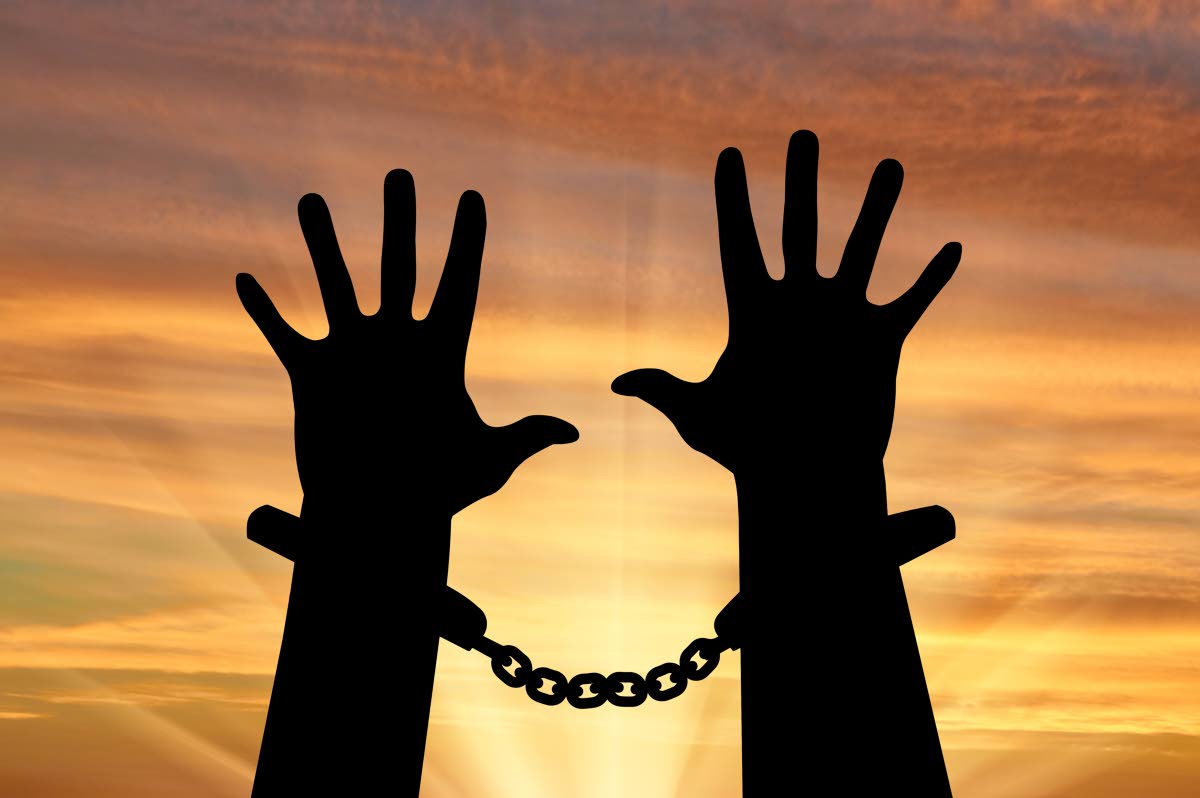
Jamaica joined more than 120 countries Wednesday in supporting a United Nations resolution declaring the transatlantic slave trade and chattel slavery as the “gravest crime against humanity.”
Applause erupted in the UN General Assembly Hall in New York as the resolution was adopted.
The resolution, led by Ghana, was adopted as the international community marked the International Day of Remembrance of the Victims of Slavery and the Transatlantic Slave Trade.
In a statement, Foreign Affairs Minister Kamina Johnson Smith said Jamaica’s support reflects its longstanding role in confronting the legacy of slavery and its historical ties to West Africa.
“As most Africans who arrived in Jamaica came from the ‘Gold Coast’, including present-day Ghana, the initiative carries particular resonance for us as a nation. Jamaica has consistently played an active role in the fight for reparatory justice and efforts by the international community to rectify the negative impacts that slavery has had on society and on the lives of our people,” she said.
The minister noted that the resolution was adopted with 123 votes in favour, three against, and 52 abstentions.
The United States, Israel and Argentina voted against the resolution.
Johnson Smith said the resolution strengthens global recognition of the scale and enduring impact of slavery, while reaffirming Jamaica’s commitment to reparatory justice in line with the CARICOM ten-point plan.
“The adoption of this resolution is a positive step towards remedying these historical wrongs against Africans and people of African descent”, Johnson Smith added.
Johnson Smith also reflected on a recent visit by Ghana’s foreign minister to Seville in St Ann, where she said the delegation was moved by the site’s historical significance during the transatlantic slave trade.
“Jamaica was therefore pleased to have voted in favour of the United Nations General Assembly resolution,” she said.
“Today, we come together in solemn solidarity to affirm truth and pursue a route to healing and reparative justice,” said Ghana’s President John Dramani Mahama, speaking ahead of the vote on behalf of the 54-member African Group – the largest regional bloc at the UN.
The resolution emphasised “the trafficking of enslaved Africans and racialised chattel enslavement of Africans as the gravest crime against humanity by reason of the definitive break in world history, scale, duration, systemic nature, brutality and enduring consequences that continue to structure the lives of all people through racialized regimes of labour, property and capital.”
It affirmed the importance of addressing historical wrongs affecting Africans and people of the diaspora in a manner that promotes justice, human rights, dignity and healing, while emphasising that claims for reparations represent a concrete step towards remedy.
The text was “highly problematic in countless respects,” Ambassador Dan Negrea, US representative to the UN Economic and Social Council, said prior to the vote.
He regretted that Washington “must once again remind this body that the United Nations exists to maintain international peace and security” and “was not founded to advance narrow specific interests and agendas, to establish niche International Days, or to create new costly meeting and reporting mandates.”
Furthermore, the US “does not recognise a legal right to reparations for historical wrongs that were not illegal under international law at the time they occurred.”
UN Secretary General Secretary-General António Guterres called for confronting slavery’s lasting legacies of inequality and racism. He condemned the “abduction of millions of Africans stolen from families and communities they would never see again.”
“Now we must remove the persistent barriers that prevent so many people of African descent from exercising their rights and realising their potential,” he said.
“We must commit — fully and without hesitation — to human rights, equality, and the inherent worth of every person.”
The Poet Laureate of Barbados, Esther Philips, read from some of her works including a piece about a young girl walking on the grounds of a former sugar plantation and not understanding its historical significance as her ancestors buried there look on.
“There are spirits of the victims of slavery present in this room at this moment, and they are listening for one word only: justice,” Philips told delegates.
-The UN News contributed to this article.
Follow The Gleaner on X, formerly Twitter, and Instagram @JamaicaGleaner and on Facebook @GleanerJamaica. Send us a message on WhatsApp at 1-876-499-0169 or email us at onlinefeedback@gleanerjm.com or editors@gleanerjm.com.