Lloyd Barnett | Safeguarding the franchise
Loading article...
-
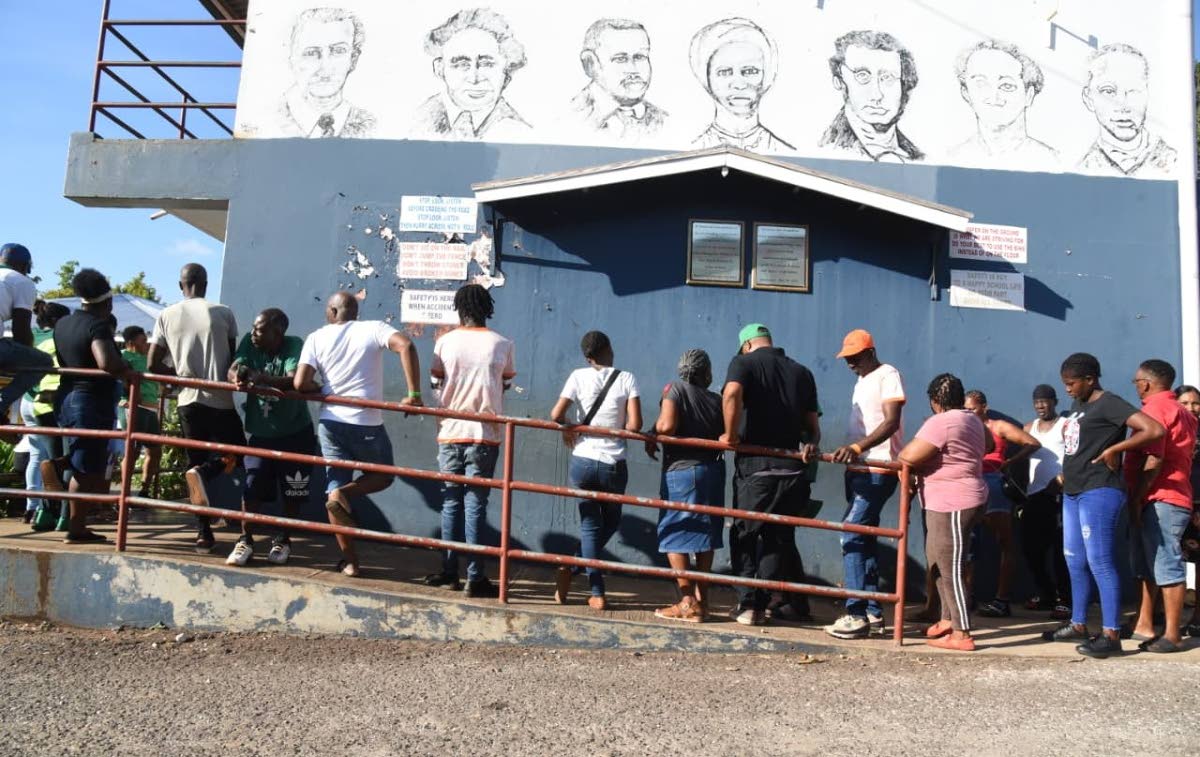 This file photo shows people waiting to exercise their franchise on election day.
-
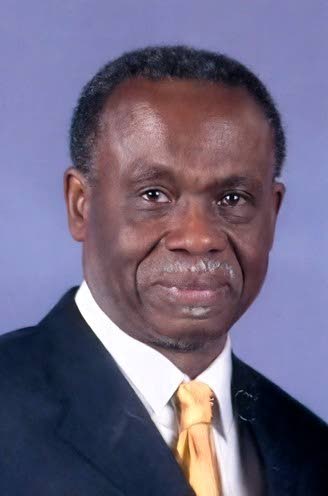 Lloyd Barnett
An essential requirement of democracy is that the government must be a government by the people. This means that those who govern must truly have been selected by the people. In this connection, there are two basic principles.
The first is that each elector must have an equal part in the election of the persons who will exercise the powers of government. This principle is conveniently described as “One person, one vote”. The second is that each elector should be provided with the opportunity to vote in regular elections which are free and fair and free from fear.
Universal Adult Suffrage was gained by Jamaica in 1944. Consequently, Parliamentary general elections were held in 1944, 1949, 1955, 1959 and 1962, the latter being the year in which Jamaica obtained independent statehood. In 1967 a troubling trend escalated. There were disputes about the enumeration of voters, there were cases of intimidation of voters, there was considerable evidence of irregularities in the conduct of the elections such as the tampering with the ballot papers, allegations of bribery and corruption, more ballot papers in the box than registered voters at some polling stations, the illegal interference with ballot boxes, impersonation and open voting. There were also controversies as to the gerrymandering of constituencies. As a result, there were widespread demands for electoral reform and the political leaders were forced to respond.
A major structural change was achieved by the removal of the administration of elections from ministerial control to a body of varied composition established by the Electoral Reform (Interim) Act of 1979. This body, called the Electoral Advisory Committee, had a diverse composition: two of its eight members were nominated by the Prime Minister, two by the Leader of the Opposition and three were selected members nominated by the four politically nominated members. The Director of Elections became the ex-officio eighth member. In the tense atmosphere of the 1980s this new institution provided wise leadership and progressive reform.
CONCERNS
However, there were continuing concerns regarding the gerrymandering of constituency boundaries, the registration of electors, the conduct of the elections and political violence. There were sometimes bitter and unfair criticisms of the Director of Elections and members of the Electoral Advisory Committee. In 1997, great interest developed in the prospects of international observers monitoring our elections.
Eventually, it was agreed by the political leaders that the Carter Centre would be permitted to assign observers. Locally, Citizens Action for Free and Fair Elections (CAFFE) was launched and received exceptionally good citizen support. In the result the elections were monitored by both the international and local observers and assessed as having been free and fair.
The challenge now is how can the progress which has been made be enhanced and preserved. In August 1992 the Constitutional Reform Commission in its Report to Parliament recommended that (1) the right to vote be enshrined in the Constitution, (2) the residential requirement of 12 months should not be applicable to Jamaican citizens, (3) in keeping with the directives of the Representation of the People (Interim Electoral Reform) Act, an Electoral Reform Commission be entrenched in the Constitution with such provisions as to appointments of members, tenure of office and powers as are consistent with its role as an independent and impartial body, and (4) that the powers of the Commission should include those being exercised by the Standing Committee of the House of Representatives, under section 67 of the Constitution in respect of delineation of constituency boundaries.
In 2011 the right to vote was enshrined in the new Charter of Rights. However, this right cannot be fully realised unless there is a system of continuous registration. Currently registration takes place only once each year so that a person who obtains the necessary qualification may not be able to vote because his or her registration has to await a delayed registration process. This conflicts with the constitutional guarantee of the right to vote and should be corrected immediately. Another important issue which needs to be considered is the provision by which the size of a constituency may vary between a low of 66 2/3 of the average number of voters per constituency and a high of 50% above this average, with the result that persons who vote in a constituency with the lowest registered number of electors will have more than twice the weight of the votes of the electors in the constituency with the highest number of registered electors.
An important innovation was introduced in 2002 by the Political Ombudsman (Interim) Act, which established a new Office of Parliament to investigate any action taken by a political party, its members or supporters which in the opinion of the Political Ombudsman constitutes a breach of the Political Code of Conduct agreed on by the political parties or is likely to prejudice good relations between the supporters of various political parties.
After such investigations and any hearings considered appropriate, the Political Ombudsman is empowered to submit reports to Parliament. It was declared in the Act that steps would be taken to entrench this office in the Constitution. It is widely felt that this office has contributed to the maintenance of political peace and proper conduct by political parties and their supporters.
It was generally accepted that the appointees of this office had contributed to the lessening of tension and the observance of peace and good conduct during elections.
However, in February 2024 the office was merged into the Electoral Commission without any public consultation and to the disappointment and disapproval of several civil society organisations and members of the public.
It is necessary that the constitutional reform project should revisit this decision and seek an acceptable solution to the concerns which have been raised.
Dr Lloyd Barnett is an attorney-at-law and author. Send feedback to columns@gleanerjm.com