Mayank Joshi | Mahatma Gandhi’s teachings remain guiding principles
Loading article...
-
 In this photo Gandhi is seen with the ‘charkha’ or the spinning wheel.
-
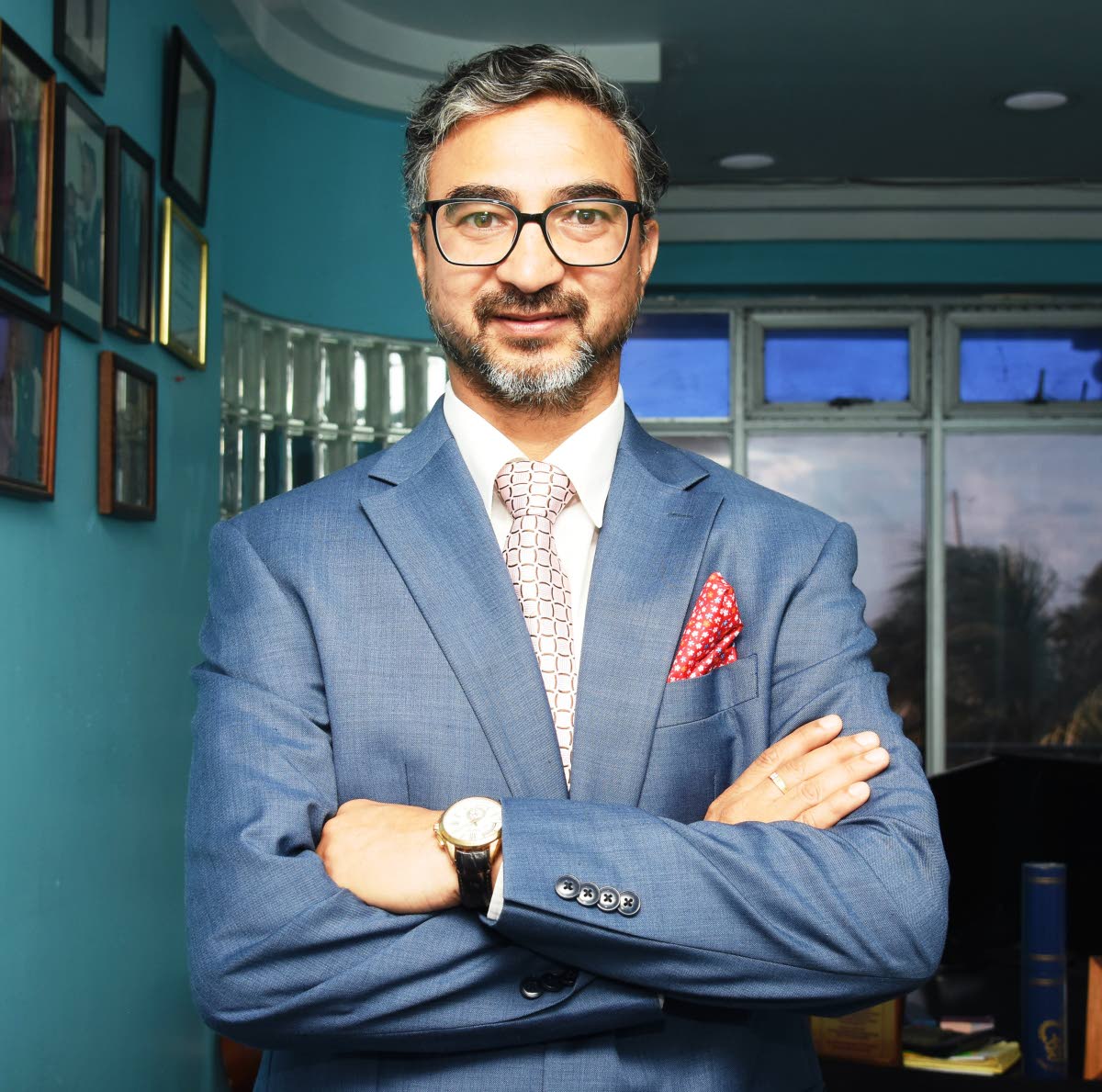 Mayank Joshi, high commissioner of India to Jamaica
On October 2, the world commemorates the life of Mahatma Gandhi as the International Day of Non-Violence, which was declared by the United Nations in 2007. Mahatma Gandhi’s voice emerged from India, yet his message was universal: that justice and freedom can only endure when grounded in non-violence, dignity, and truth.
At the centre of Gandhi’s philosophy was ahimsa – non-violence as an active force of courage and discipline. He combined this with satya – truth – to create satyagraha, resistance through moral conviction rather than weapons. It was not passivity but a strategy of strength, which enabled ordinary people to resist injustice without losing their humanity. Mahatma Gandhi’s message of “An eye for an eye will make the whole world blind” reverberates strongly for realising a safe, secure, and peaceful world.
SHARED LESSON
The historic struggle for liberty and self-respect in Jamaica resonates with India’s own struggle for independence: how oppressed peoples, separated by oceans, found ways to resist domination without surrendering their dignity. From Marcus Garvey’s call for self-determination to Sam Sharpe’s defiance against slavery, Jamaica, too, has shown that moral courage can change the destiny of nations. Both Marcus Garvey and Mahatma Gandhi placed human dignity at the very heart of freedom. Mahatma Gandhi proved that non-violent resistance could shake an empire. Jamaica’s heroes – Paul Bogle to Nanny of the Maroons – proved that even in the harshest conditions, people would not be stripped of their dignity or their will to shape their future.
In this shared spirit, Gandhi’s message continues to echo in Jamaica. Both traditions remind us that true victory lies not in overpowering the other, but in respect for humanity and upholding the dignity of all.
Gandhi’s philosophy broadens our understanding of peace. For him, peace was not simply the absence of war but the presence of justice. Four elements of his teachings are timeless and universal: firstly, true peace addresses poverty, inequality, and humiliation. Secondly, he stressed dialogue over domination as conflicts must be resolved through engagement, not force. Thirdly, resources must be shared responsibly for the common good. As Gandhi famously said: “The world has enough for everyone’s need but not for everyone’s greed.” And fourthly, Mahatma Gandhi put human dignity first. He specified that security must be measured by how people live, not by how nations arm themselves. This perspective aligns with the voices of global peacemakers who affirm that peace and security must rest on fairness, equality, and sustainable development.
Gandhi’s principles remain strikingly relevant in today’s world. Conflicts and wars remind us that military solutions rarely secure lasting peace. Negotiation and reconciliation remain essential. Terrorism and extremism thrive on hatred, but Gandhi warned that ends can never justify violent means. Climate change challenges the survival of all nations, especially small island states like Jamaica. Gandhi lived with simplicity, spinning his own cloth, avoiding excess, and respecting nature’s limits. His call for restraint and harmony with nature is a moral guide for sustainable living.
MISSION LiFE
In our own time, Prime Minister of India Narendra Modi has put forward Mission LiFE – Lifestyle for Environment, launched in 2021 at the United Nations. Mission LiFE is a global movement that encourages individuals everywhere to adopt simple, sustainable practices that protect the planet. Its vision is clear: every individual, by making small changes, can contribute to a powerful collective transformation. Mission LiFE translates that lifestyle into modern action – urging people to conserve energy, reduce single-use plastics, save water, embrace renewable choices, and plant trees. It is about every individual making small changes that when multiplied by millions, create a powerful wave of transformation.
Mission LiFE’s vision resonates strongly in Jamaica, where cultural traditions and community practices have long emphasised respect for the land and sea. Like India, Jamaica faces the pressing challenge of climate change. Rising sea levels, changing weather patterns, and environmental vulnerabilities threaten livelihoods and security. Mindful consumption and Mission LiFE’s call for sustainable living speaks directly to the shared responsibility of our two nations and peoples.
We must place our faith in the young, for every generation must rediscover the principles of non-violence and responsibility for itself. Mission LiFE also emphasises the role of youth in driving behavioural change. India and Jamaica, with their vibrant young populations, can, together, set an example – how one vast country and a small island state can lead the world in climate action and sustainable living.
GANDHI AND GLOBAL PEACE
India’s international outlook remains anchored in the principle of non-violence and peaceful living. Whether through our contributions to UN peacekeeping, our advocacy for dialogue in conflict resolution, our commitment to climate action, and our message of world peace and Vasudhaiva Kutumbakam – the world is one family – India carries forward Gandhi’s legacy into global affairs. Jamaica is our close partner in this journey – a nation whose own struggles and heroes affirm the universal truth that dignity and justice are the foundation of peace.
Let us rededicate ourselves to that vision – of a world where dialogue prevails over division, where peace and human dignity are held sacred.
In Gandhi’s words: “In a gentle way, you can shake the world.” And in Garvey’s “Up, you mighty race, accomplish what you will.” Together, these great voices will always remind us that the path to peace runs through justice, courage, and the enduring strength of the human spirit.
Mayank Joshi is the high commissioner of India to Jamaica. Send feedback to columns@gleanerjm.com