Ford Ranger vs GWM P Series in the Jamaican market
Loading article...
-
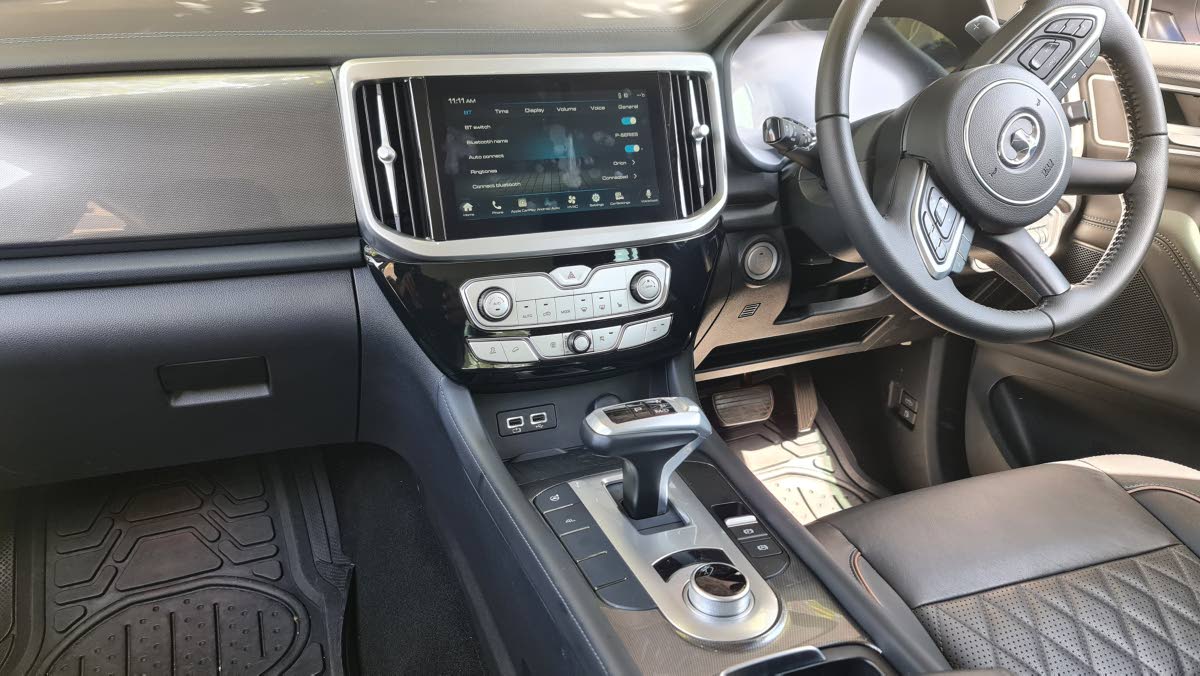 GWM P Series interior.
-
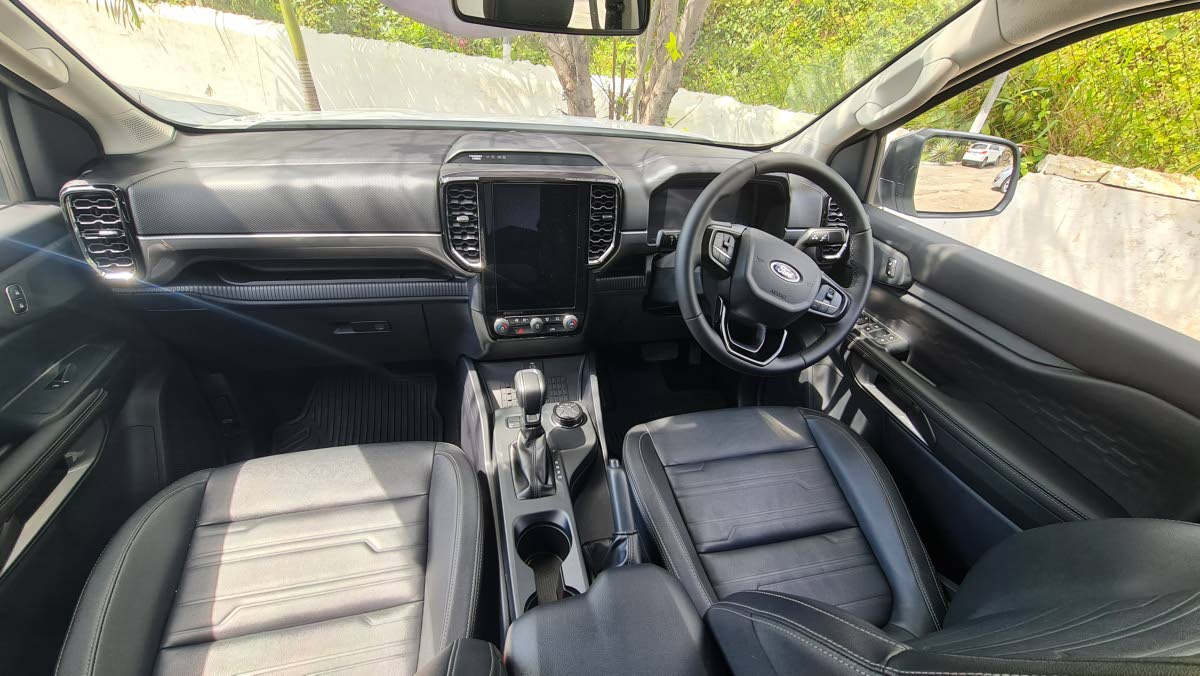 Ford Ranger interior.
-
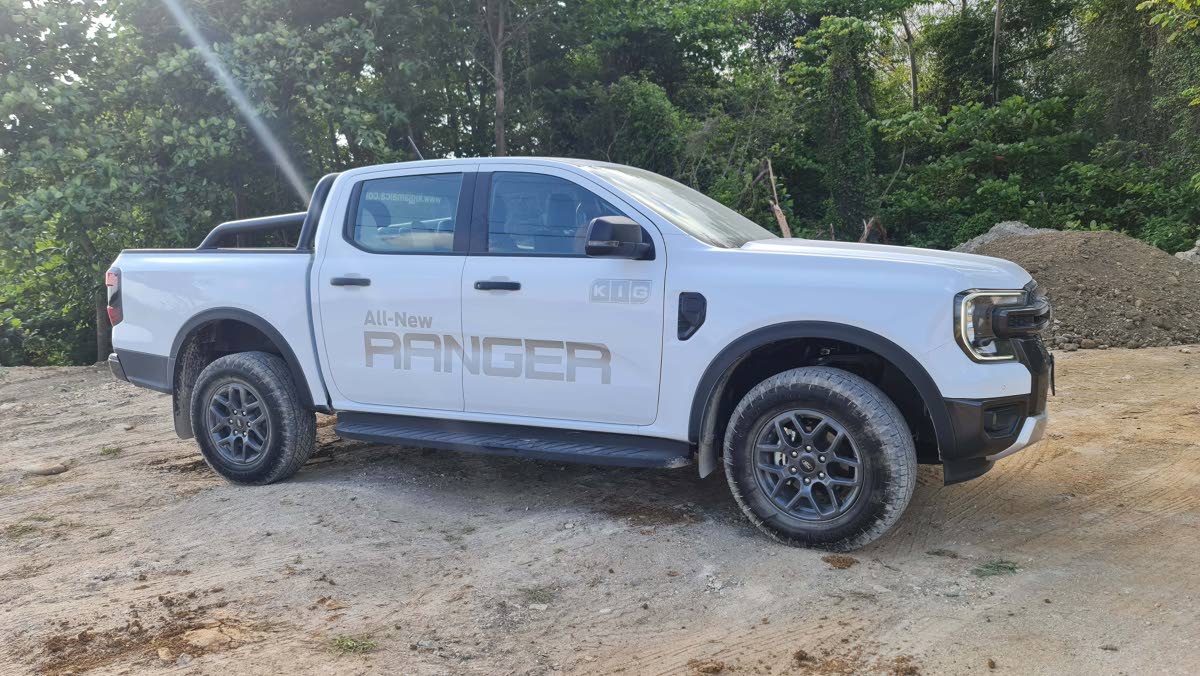 Ford Ranger.
-
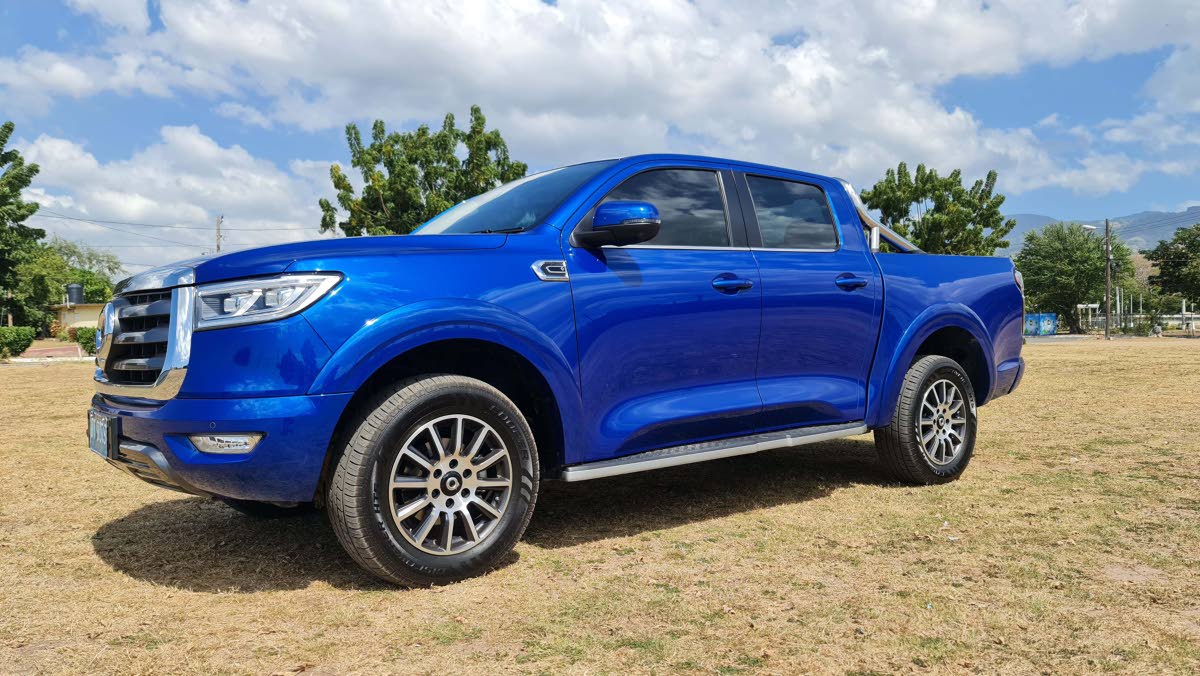 GWM P Series.
Jamaica’s pickup segment is witnessing a fascinating battle, pitting a well-established global player against a compelling new contender from the East. The Ford Ranger, leveraging its decades of experience, goes head-to-head with the Great Wall Motor (GWM) P Series, a vehicle intent on reshaping the market’s expectations of Chinese manufacturing.
History and Pedigree
The Ford Ranger is part of a lineage spanning multiple generations, a nameplate that has evolved significantly since its early compact roots. This current generation reflects Ford’s global strategy for its mid-size truck, building on the company’s extensive knowledge in creating robust utility vehicles. The design ethos is one of continuous refinement, aiming to deliver a product that meets contemporary demands for both work and leisure.
In contrast, the GWM P Series, originally branded as the Pao, is a relatively recent arrival, with production commencing in 2019. It shares an underlying platform with the Haval H9 SUV, signalling GWM’s commitment to providing an SUV-like foundation for its pickup. The P Series represents the ambitious push of Great Wall Motor onto the global stage, learning from past missteps of other Asian manufacturers to present a visually proportionate and modern truck. It enters the market with a fresh, determined outlook.
Exterior Design: Toughness Meets Modernity
The latest Ford Ranger generation makes a pronounced statement with its reconfigured front fascia. The rectangular grille is assertive, flanked by distinctive reverse ‘C’ shaped daytime-running lights. The overall look is rugged yet polished, reflecting a meticulous design process informed by extensive customer interviews. Utility is key at the rear, featuring an incredibly light tailgate that can be closed with minimal effort. Further practical additions include a ruler and cup holders on the tailgate, and dual power outlets (a standard 120 Volt and a 12 Volt) in the loading bed, catering directly to on-the-go functionality.
The GWM P Series counters with an exterior that is immediately rugged and substantial, conveying power through its design. It features a menacing front grille and modern LED headlights. The profile is clean, with few character lines, giving the side panels a visibly larger appearance than many average pickups. Its aesthetic aims for imposing confidence, an intentional move to establish a strong presence against established rivals.
Interior Comfort and Technology
Inside, the Ford Ranger XLT embraces a digital future. The cabin is dominated by a large, tablet-like 10.1-inch centre console, powered by Ford’s proprietary SYNC system. This unit centralises nearly all controls, providing a smooth interface with appealing graphics and clear font legibility, reflecting the brand’s move towards electric-era interiors. Complementing this is an 8-inch fully digital dial cluster, which provides responsive readouts. However, the Ranger also maintains Ford’s preference for physical controls, such as a designated bank of switches on the lower dashboard for up to six lighting options, ensuring optimal visibility. An ergonomic adjustment is the discreet relocation of the door handle into the handlebar.
The GWM P Series focuses on a premium feel, especially in the higher specification models. Passengers are greeted by leather finishes and electric seats. The quilted leather patterns on the door panels and seat bases instantly elevate the sense of luxury. The dashboard incorporates chrome accents, housing a protruding nine-inch infotainment touchscreen that integrates climate control access. The seats are noted for being well-padded and sturdy. For passenger comfort, the rear offers ample leg and head room, easily accommodating three adults, and includes rear A/C vents — a thoughtful addition.
Cargo Space and Utility
The Ford Ranger prioritises highly considered utility in its cargo bed, a direct result of user feedback. The easily operable, lightweight tailgate is a major convenience, and the inclusion of both 120V and 12V power outlets in the bed significantly boosts its practicality for both work and recreational use on a local farm or construction site.
The GWM P Series provides a large cabin, suggesting its cargo and utility emphasis is balanced with passenger comfort and space. Its robust build and overall size suggest it is equally prepared for demanding loads, with the added benefit of a focus on passenger comfort for the long haul.
Driving Dynamics: Engine, Power, and Handling
The driving experience of the Ford Ranger XLT is characterised by a high level of comfort and intuitive operation, a reflection of Ford’s long history in the pickup segment. Power comes from a 2.0-litre Bi-Turbo diesel engine, which effortlessly generates 205 horsepower. This power is efficiently managed by a smooth and quick-shifting 10-speed automatic transmission. Driver aids significantly enhance safety and convenience; these include Lane Departure Warning, Blind Spot Monitoring with Cross Traffic Alert, and the dynamic lighting system — a feature found in many premium vehicles — that illuminates the direction of a turn in dark, winding areas. The overall synergy makes the Ranger an exceptionally refined drive.
The GWM P Series is equipped with a respectable 2.0-litre Turbo Diesel Engine, delivering 163 hp and 400 Nm of torque. While the engine sound is noted as louder, its performance is sufficient for most scenarios and, notably, is fuel-efficient, achieving an impressive 14.2 L/100 km for out-of-town driving. The pickup’s drive can be tailored via a circular knob for three modes: Sports, Eco, and Standard. Sports mode stiffens the steering and holds lower gears for increased responsiveness. The P Series also leverages technology to simplify driving, featuring a surround-view camera that offers a crucial overhead perspective for navigating tight spaces, complemented by parking sensors for both visual and audible alerts. For driving on challenging inclines, it features both manual and automatic Hill Descent Control and ‘Brake Hold’, preventing rollback on steep ascents — practical technologies for diverse Jamaican terrains.
Conclusion
Both the Ford Ranger and the GWM P Series offer compelling packages, yet their focus areas differ. The Ford Ranger XLT shines through its polished, intuitive driving dynamics, advanced digital integration, and meticulously considered utility features, all built on a legacy of pickup truck expertise. It presents a proposition of refinement and advanced safety.
The GWM P Series offers a strong alternative, bringing high levels of interior luxury and practical, useful driving technology, such as the surround-view camera and hill assistance, that simplify manoeuvring a large vehicle. Its strong emphasis on comfort and practicality, coupled with a generous six-year, 150,000-kilometre warranty, makes it a formidable contender aiming to capture the attention of value-conscious buyers seeking luxury and utility.
Ultimately, the choice hinges on the driver’s priorities: the Ford Ranger offers sophisticated refinement and a deeply experienced engineering pedigree, while the GWM P Series delivers a surprising blend of luxury, useful technology, and robust capability at an accessible level.